
The bridge as project logic
C02FFH aims to connect fragmented grower supply with organised professional demand through shared services and planned flows.
A modular platform for fresh-produce preparation, post-harvest services and cold-chain support — designed to connect growers with professional buyers.
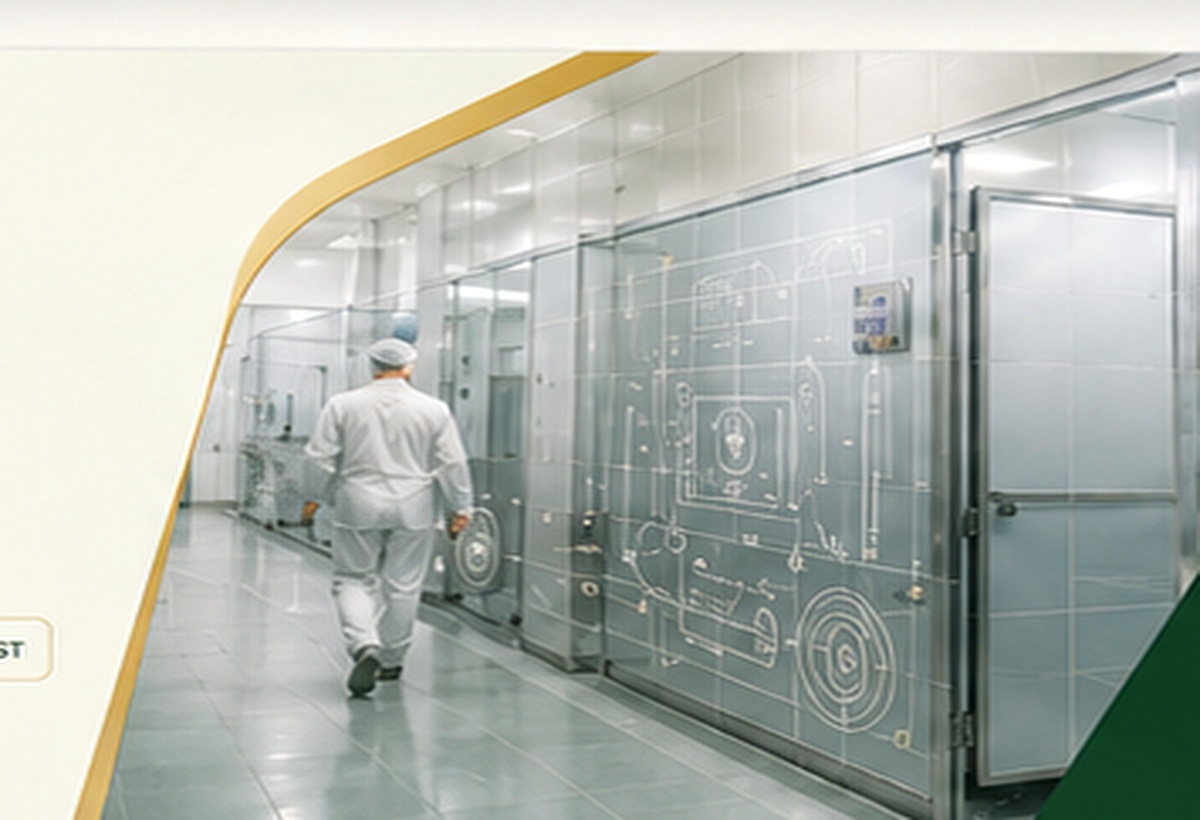
Working technical scenario for pre-feasibility. Figures require engineering, site selection, permits and commercial-volume validation.
These are sizing assumptions, not operating capacity available today, contracts, an investment offer or supply commitments. Actual throughput depends on product mix, yield, operating hours, equipment and permits.
The name evokes a bridge: infrastructure connecting production, post-harvest services and buyers. It does not announce the final facility location.
C02FFH aims to connect fragmented grower supply with organised professional demand through shared services and planned flows.
Ialomița and nearby farming areas provide a context for assessing products, seasonality and suppliers. Growers, volumes and routes must be verified individually.
Bucharest, Constanța and other regional buyers can be assessed against the eventual site, real delivery costs and order frequency.
The project works only if it solves a real problem across the value chain — not merely if it builds a facility or buys machinery.
Phased development, investment linked to commercial and technical gates, and potential revenue streams across processing, storage and services. The full financial model follows validation of its assumptions.
Access to grading, calibration, cleaning, preparation, packing and cold storage without each grower having to finance a complete line independently.
Agreed specifications and pack sizes, less kitchen preparation, planned orders and batch traceability — subject to product and authorised process.
A platform for integrating processing, refrigeration, monitoring, traceability, packing and delivery solutions. Selection follows throughput and total cost of ownership.
Capacity is built around contractable demand. Vegetable processing is the starting point; adjacent services follow only when authorised and economically justified.
Receiving, washing, cleaning, grading, sizing, peeling, cutting and portioning for selected products and B2B specifications.
Weighing, packing, labelling, batch coding and digital records for product, temperature and movements — designed with food-safety systems.
Modular rooms potentially offered by pallet and duration, subject to capacity and permits, with temperature monitoring and clear receiving/release rules.
Combining products from multiple suppliers and preparing B2B deliveries may reduce fragmented orders. Transport and commercial responsibilities are agreed separately.
Automation must match actual volumes. Each module is selected after product trials, technical quotations, hygiene, energy use and investment-return assessment.
Orders and forecasts; production scheduling and seasonal receiving.
Weighing, quality checks, supplier identification and batch traceability.
Configurable washing, sorting, cleaning/peeling and cutting lines with hygienic separation.
Specification checks, weighing, packing and labelling to each buyer’s requirements.
Modular cold rooms, temperature monitoring and order consolidation for delivery.
Credible numbers come from documented decision gates. Major investment follows evidence of demand, technical feasibility and unit economics.
Validation workplan: discussions with 15–20 B2B buyers and 8–12 growers/cooperatives. These are research targets, not confirmed commercial relationships.
Compare facilities, utilities, access, zoning, cost and food-authorisation potential; no specific site is presented as final.
Process layout, equipment list and quotations, CAPEX/OPEX, staffing, working capital, yields, waste, break-even and permit/build schedule.
Structure capital and responsibilities, install in modules, run pilot batches and expand only after commercial thresholds are met.
Grants may be one component of the funding structure, but the project must also be assessed without public aid. Eligibility depends on the active call, applicant, activity codes, products and eligible costs.
Equity investor or strategic partner; terms, governance and use of funds are negotiated against a validated model.
Considered for equipment or assets only after quotations, cash-flow and repayment capacity are assessed; it does not replace working capital.
Checked against the official guide at the relevant time. The base case assumes no grant is approved or guaranteed.
One working framework for commercial validation, project structuring and implementation coordination, under separately agreed mandates and responsibilities.
Assess buyers, suppliers, product mix, specifications, seasonality and contracting mechanisms.
Business model, process flow, site selection, budget, risks, permits and financing scenarios.
Coordinate designers, equipment suppliers, logistics, authorities and partners; track stages and decisions.
Processes, staffing, suppliers, traceability, testing and phased launch within the agreed mandate.
These are sizing assumptions, not operating capacity available today, contracts, an investment offer or supply commitments. Actual throughput depends on product mix, yield, operating hours, equipment and permits.
We welcome concrete discussions with investors, buyers, growers, cooperatives, and technical or logistics partners. Tell us your role and the contribution you could make.
C02FFH is a pre-feasibility concept. The name refers to the Fetești Bridge; it does not confirm the facility site. Sizing is indicative. This page is not an investment offer, profit promise, supply contract, currently available operating capacity or confirmation of funding eligibility.